Long-Term Portable Restroom Planning for Extended Projects
A project lasting several weeks or months needs more than a one-day event checklist. The plan should anticipate changing crews, changing access routes, weather exposure, site security, maintenance coordination, and the point when temporary facilities will no longer be needed. Begin with the full project calendar and identify the phases that may change the location or number of users.
Create a phase-based site plan
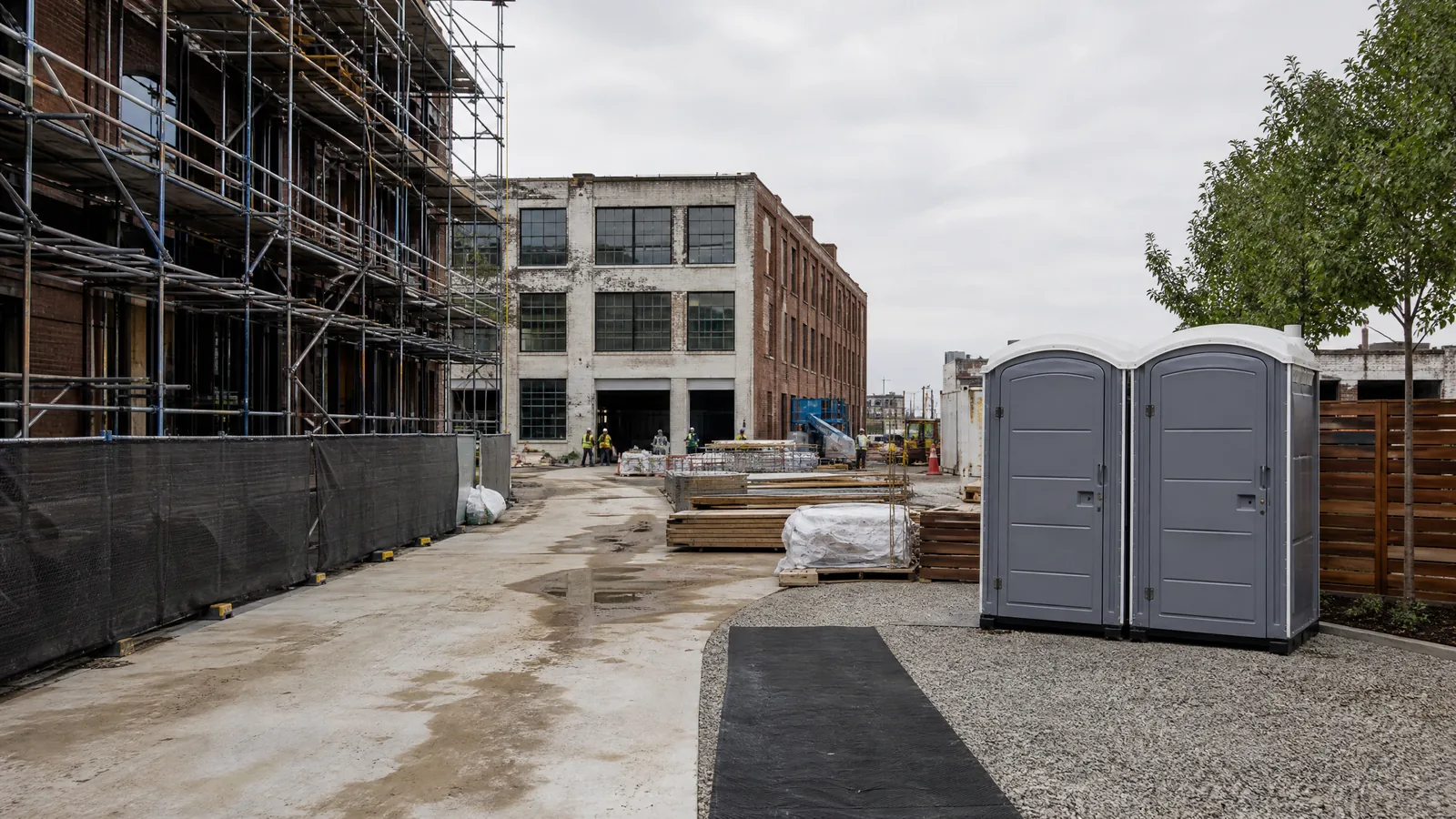
Mark the facility area on the logistics plan and note gates, pedestrian routes, material storage, equipment paths, break areas, lighting, and emergency access. Schedule a review when fencing moves, a building becomes enclosed, a new shift starts, or a public route changes. The aim is to keep the facilities practical without disrupting the work.
Plan for weather and ground conditions
The National Weather Service provides daily, monthly, seasonal, and annual reports for Central Park, including precipitation and snowfall information. [4] Historical or current weather data cannot predict the exact conditions at a job site, but it reinforces the value of reviewing access after significant rain, snow, freeze, or heat and of avoiding a location that becomes unreliable.
Keep responsibilities clear
The project team should know who controls access, who communicates schedule changes, which surfaces are acceptable, and how the facility area fits into site safety procedures. Record the expected users by shift and the dates when the plan will be reconsidered.
Extended-use questions
Share the project address, phases, duration, maximum crew, site contact, access windows, surface, security rules, and any applicable venue or property instructions. If the need began as an urgent change, the emergency planning page provides a focused intake list.
Internal links: Connect to construction-site restrooms for worksite layouts and handwashing stations for ongoing hygiene planning.
FAQs
What makes long-term planning different? Duration creates more opportunities for access, weather, crew, and site-layout changes, so the plan should include review points rather than assume the first arrangement will remain ideal.
Should the plan include handwashing? Consider it early, especially near break areas, food, dusty work, or shared equipment; the location should be checked for stability, drainage, visibility, and safety.