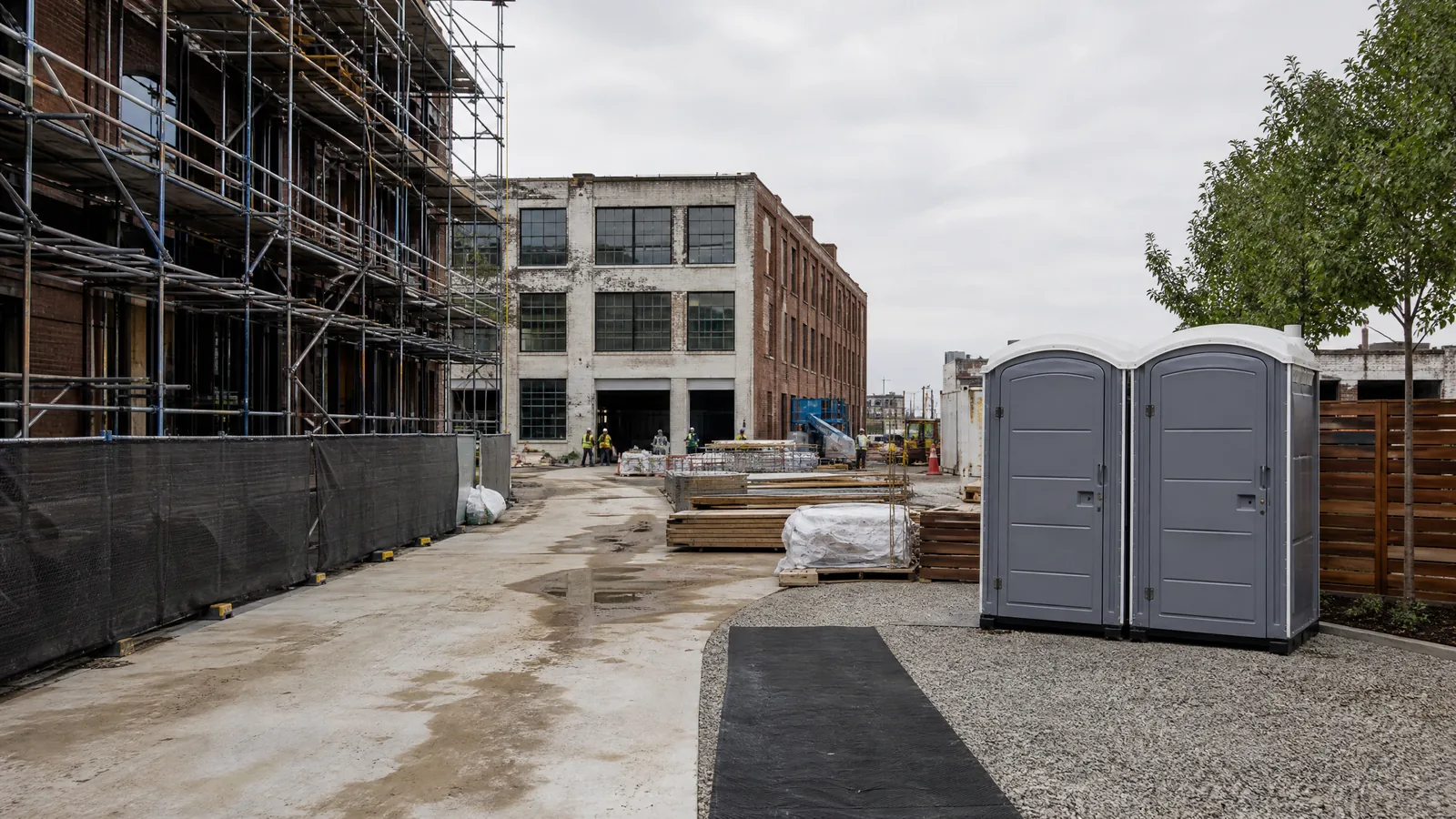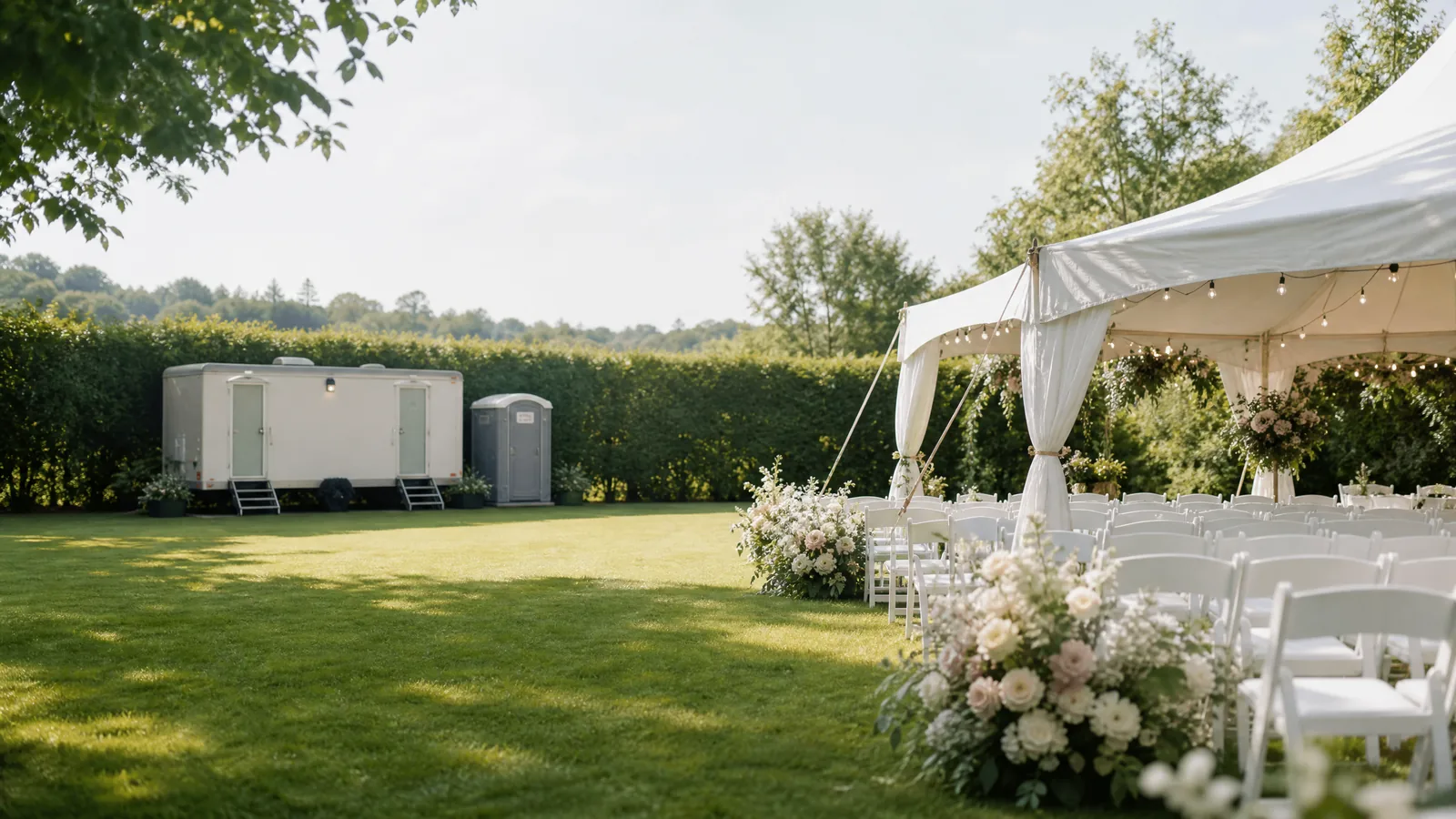
A Clear Starting Point for Urgent Restroom Needs
An urgent request still benefits from accurate information. A last-minute event change, building closure, utility issue, weather disruption, or suddenly expanded worksite can create a sanitation gap, but assumptions about access or availability can make the problem harder. Start by describing what changed, where the site is, when the need begins, and who will use the facilities.
Gather the facts quickly
Record the exact location, usable entrance, surface, gate or loading restrictions, expected attendance or crew, operating hours, event or project rules, and whether an accessible facility or handwashing station is needed. Explain whether the need is a short interruption, a multi-day gathering, or an extended project. If the site is public, confirm the venue’s instructions and any permit requirements; NYC Parks specifically identifies special-event permits for activities with 20 or more people. [3]
Do not skip the safety review
Urgency does not eliminate the need to keep fire lanes, pedestrian routes, work zones, utility access, and neighboring properties clear. If weather has affected the ground, describe the conditions rather than assuming a delivery path remains usable. The National Weather Service Central Park resource is useful background for seasonal review, but the actual site must be assessed.
Convert the urgent need into a stable plan
Once the immediate situation is understood, decide whether the arrangement is temporary or likely to continue. A continuing need may deserve a phase-based approach, documented access, and a scheduled review. Use the long-term rentals page when the project extends beyond the original interruption.
Internal links: Link to event portable toilets for public gatherings and ADA-accessible restrooms when inclusive access must be part of the response.
FAQs
What should I include in an urgent request? Give the location, start time, duration, number of users, access route, surface, gate restrictions, event or worksite rules, and any accessible or handwashing needs.
Can an urgent setup ignore venue rules? No. A fast plan should still be coordinated with the property owner, venue, or governing authority, especially in a park or public setting.
7. Special Project and Public-Space Planning
Temporary Restrooms for Special Projects and Public Spaces
Some projects do not fit neatly into a wedding or construction checklist. A neighborhood program, volunteer activity, public-space improvement, outdoor class, film-related setup, pop-up activation, or multi-use venue may involve several user groups and a layout that changes throughout the day. The planning process should explain the setting before it selects a facility mix.
Describe who uses the space
List visitors, staff, vendors, volunteers, students, workers, and performers separately when their schedules or needs differ. Note the busiest periods, expected duration, age range, accessible-route requirements, food service, and whether the public can enter from more than one direction. This makes it easier to think about placement and wayfinding without relying only on a total headcount.
Respect the public realm
NYC Parks describes natural areas that provide recreation, shade, habitat, and stormwater benefits, while also noting threats from development, fragmentation, and environmental impacts. [2] A temporary facility plan should therefore avoid sensitive areas, preserve public routes, protect trees and planting beds, and follow the site owner’s instructions. If the project is in a park, ask about permits and approved locations before publishing the layout.
Coordinate the whole footprint
Mark facilities, handwashing, food, generators, stages, fencing, loading, emergency access, accessible routes, and staff points on one plan. Consider how the footprint changes during setup and breakdown. A clear sequence reduces conflicts between vendors and helps the site team communicate with the public.
Prepare useful project information
Provide the address, venue contact, operating dates, setup windows, surface, access restrictions, user groups, and any public-agency requirements. For a conventional event, the event page may be the better starting point; for a work phase, use construction-site restrooms.
FAQs
Are special projects required to have the same plan as a festival? Not necessarily. The right approach depends on users, duration, site rules, access, and the footprint, so unusual projects should be described on their own terms.
How early should a public-space plan be reviewed? As early as the venue and permit process allows, because approved placement, access, and public circulation can limit later changes.
SEO & Assembly Notes
Finalized Identity for Technical Assembly
- Business name: New York Porta Potty Rentals
- Canonical production domain:
https://newyorkportapottyrentals.net/ - Phone display and click-to-call target:
(646) 704-0337andtel:+16467040337 - Street address: 610 W 26th St, Chelsea, New York, NY 10001
- Use this same identity in the site header, footer, schema, sitemap, robots file, Open Graph URLs, canonical tags, and contact page.
Proposed page titles and meta descriptions
| Page | Title | Meta description |
|---|---|---|
| Home | New York Portable Toilet Rentals for Events and Job Sites | Plan portable toilet rentals in New York City for events, construction sites, parks, and extended projects with practical guidance for access, layout, and guest needs. |
| Events | Event Portable Toilet Rentals in New York City | Plan portable toilets for New York City weddings, festivals, school events, and outdoor gatherings with guidance on layout, access, handwashing, and weather. |
| Construction | Construction Site Portable Restrooms in New York City | Plan temporary construction-site restrooms in New York City around crew size, project phases, access routes, surface conditions, and worker needs. |
| ADA | ADA-Accessible Portable Restrooms for New York Events and Sites | Plan accessible portable restroom placement in New York City with guidance on approach routes, surface conditions, event layouts, and inclusive use. |
| Handwashing | Portable Handwashing Stations in New York City | Add portable handwashing stations to New York City events, food-service areas, construction sites, and outdoor projects with practical placement guidance. |
| Long-term | Long-Term Portable Restroom Rentals in New York City | Plan temporary restroom needs for New York City construction, renovation, infrastructure, and extended outdoor projects with phase-based site guidance. |
| Emergency | Emergency and Special-Event Portable Restrooms in New York City | Organize portable restroom planning for urgent New York City events, changing venues, temporary closures, and unexpected project needs. |
| Special projects | Portable Restrooms for New York City Public-Space Projects | Plan temporary sanitation for New York City public-space projects, community programs, park activities, and unusual site layouts with clear logistics guidance. |
Recommended schema types
Use Organization or LocalBusiness only after verified business identity and address data are supplied. Use Service on each service page, FAQPage only where the visible page includes the corresponding questions and answers, and BreadcrumbList for navigation. Do not publish fabricated review, aggregate rating, employee, inventory, price, or service-area properties. If the business lacks a confirmed public address, do not mark an unverified location as a LocalBusiness address.
Internal-link opportunities
The homepage should link to every substantive service page. Event pages should link to ADA access, handwashing, long-term, and emergency planning. Construction pages should link to long-term, handwashing, and ADA access. The long-term page should link back to construction and forward to emergency planning. Special-project content should link to event planning and the pages that address the project’s specific user groups. Use descriptive anchor text and link only where the destination answers the next planning question.
Fields to insert during final assembly
- Use the supplied business name, domain, phone number, and street address during final assembly.
- Verified business name and legal entity, if different.
- Confirmed service descriptions and available unit categories.
- Verified operating hours and inquiry method.
- Confirmed service territory, if the business chooses to publish one.
- Venue- or authority-specific permit links approved for publication.
- Verified accessibility and handwashing product details.
- Genuine project photography and photographer credits, if available.
- Privacy policy, terms, accessibility statement, and form-consent language.
- Canonical URLs, sitemap entries, Open Graph images, and analytics configuration.
Final editorial rule: Keep all customer-facing pages free of contact placeholders and unsupported operational claims; insert verified business facts only after they are supplied and approved.